It’s Monday night and you just got home from work. You enjoy a nice meal with your family and step down to the basement to watch your favorite TV show or sporting event. The show breaks for commercial and you notice an advertisement asking: Have you have ever been exposed to asbestos in the work place? Do you know anyone who has died from or is suffering from mesothelioma? If so you may have a personal injury case, call the mesothelioma experts at…. Now you probably don’t take much notice after that, you work and have always worked in clean modern buildings and to your knowledge you have never been exposed to asbestos. So you and your family continue on with your evening in the basement TV room, watching your favorite programs. What you may not know is that your basement TV room may be far more deadly than mesothelioma and unfortunately there aren’t many TV commercials educating you about radon gas and its risks.
Radon Gas Blog
Mesothelioma v Radon gas induced lung cancer
Posted by Travis Jewell on Mon, Jul 11, 2011 @ 07:08 PM
Passive radon systems. For better or for worse?
Posted by Travis Jewell on Fri, Jun 24, 2011 @ 06:36 PM
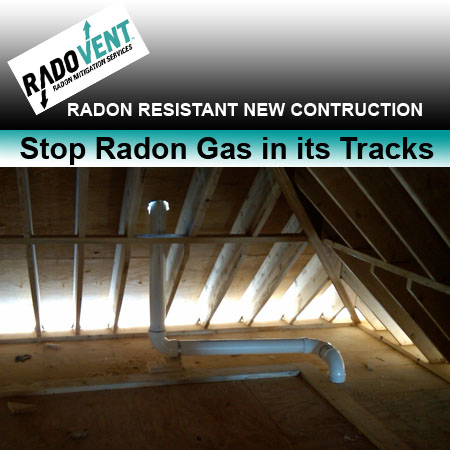
Radon resistant new construction (RRNC) is quickly becoming a hot topic for new homes and buildings. Radon resistant new construction techniques control radon gas entry through the installation of a passive radon mitigation system. When installed correctly by a licensed radon contractor, passive radon systems can help to prevent radon gas entry without the use of a radon vent fan. These systems are more economical for consumers as the cost to install is typically less than retrofit applications and compared to active radon systems the electrical and heat energy savings are great. Many states, municipalities, contractors and architects are adopting radon resistant new construction codes and policies that are the correct procedure.
It's a peaceful day in suburbia the sky is blue and the birds are chirping while the kids are playing in the yard. Enjoying the view you think how grateful you are of your beautiful new home. You notice the postman delivering the mail to your neighbors and make your way to the street to greet him. The postman hands you an envelope from the radon testing company, the results are in and the radon levels are surprisingly high! You look back at your new home and suddenly fear takes over, “how can this be?” “What do I do now?” “Do I have to move?”
You don’t have to move and even if you did, high radon levels can be found in any home. You can easily correct the problem through the installation of a radon mitigation system. Within 24 hours of a system installation, radon levels can be reduced by up to 99%. These soil gas ventilation systems can be hidden within the house and won't break the bank.
What’s the problem with radon?
7 benefits of radon systems installed through the attic
Posted by Travis Jewell on Tue, May 31, 2011 @ 06:29 PM
Radon Mitigation Systems can be installed through the exterior of the house or hidden within attic. Both methods are effective to reduce radon gas levels in homes. Exterior installed radon systems are most common across the United States but there are several benefits to the attic installation.
Seven benefits of radon systems installed the the attic:
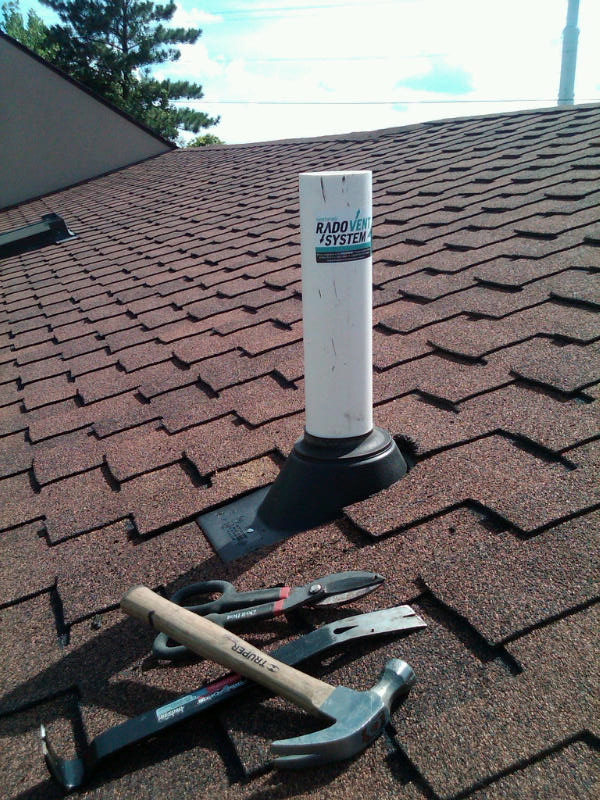
- Hidden radon system components. Rather than having the fan and vent pipes installed on the side of the house, the only visible exterior component is the vent stack rising through the roof similar to an existing plumbing stack.
- Radon fans are better protected from the elements. Radon systems create condensation within the suction and exhaust pipes. In cold environments, this condensation can freeze and effect the life of the radon vent fan. Radon fans inside attic spaces are better protected from the freeze and thaw cycle.
- Radon fans and electrical components are out of reach. When installed through the attic space, the radon fan and its electrical components are located within the attic. This location is more innaccessible to children who may turn the fan off or play with the system components.
- Quieter radon systems. Although radon systems installed through the exterior are quiet, installing the fan inside attic space can prevent all noticable system noise.
- System performance indication. Most attic installations are routed through the garage. This method allows the installer to place the system performance gauge right in the garage. Every time you enter your garage you can make certain that your radon system is on and pulling vacuum.
- Radon in real-estate. Many people with radon systems are concerned about the effect of the resale value of their home. A radon system installed through the attic is more appealing to potential buyers as it is not a noticable component on the outside of the house.
- Radon reintrainment. Having the vent stack opening above the roof of the house makes it possible for the radon contractor to get the radon system exhaust further away from doors, windows and other openings. This will minimize the possibility of radon re-entry into the home.
If there is a strange smell in your basement it may be musty odors from a moisture problem, a leaky gas pipe from a combustion appliance or just your teenagers gym socks. It is not radon gas. Radon gas is odorless, colorless, tasteless and radioactive.